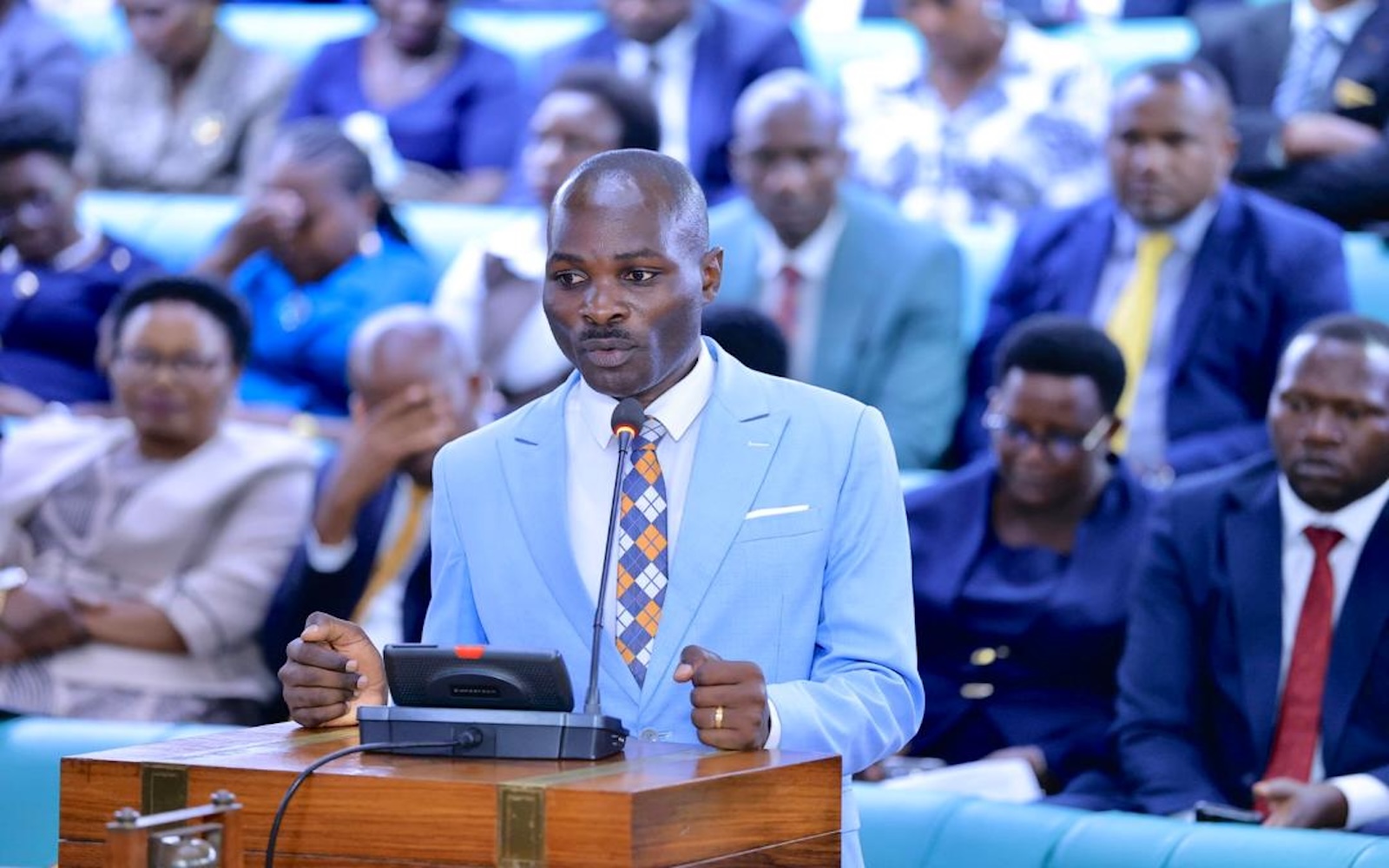
The Speaker Jacob Markson Oboth has called on leaders in strategic positions to stop trading statistics in boardrooms and to deliver measurable action to combat the effects of climate change.
Speaking at the Third CEOs’ Breakfast Meeting and High Level Dialogue on Green Economy and Environmental Sustainability, Oboth said environmental shocks are destroying livelihoods and infrastructure that took years to build.
Delivering the keynote address under the theme “Accelerating Uganda’s Green Economy Transition through Digital Transformation,” he pledged Parliament’s full backing for the laws, budgets and oversight needed for robust climate action.
He urged leaders to move beyond sitting for hours exchanging and consuming statistics, and demanded that such engagements produce actionable and measurable resolutions.
Oboth cited global data showing that the years 2015 to 2025 were the warmest on record with global temperatures in 2025 reaching about 1.44c above pre-industrial levels.
In Uganda, he said, the consequences include more frequent landslides, rivers bursting their banks, unpredictable rainfall and prolonged droughts. He warned that recurrent floods and droughts threaten agriculture, wipe out rural livelihoods and derail national economic progress.
Oboth called for immediate investment in protecting forests and wetlands and restoring degraded land, harnessing digital technologies for real time environmental monitoring and resource management, and expanding renewable energy to power sustainable development.

The Chairman of the Parliamentary Committee on Climate Change, Hon. Henry Aggrey Bagiire said that Parliament is ready to translate political intent into field level results.
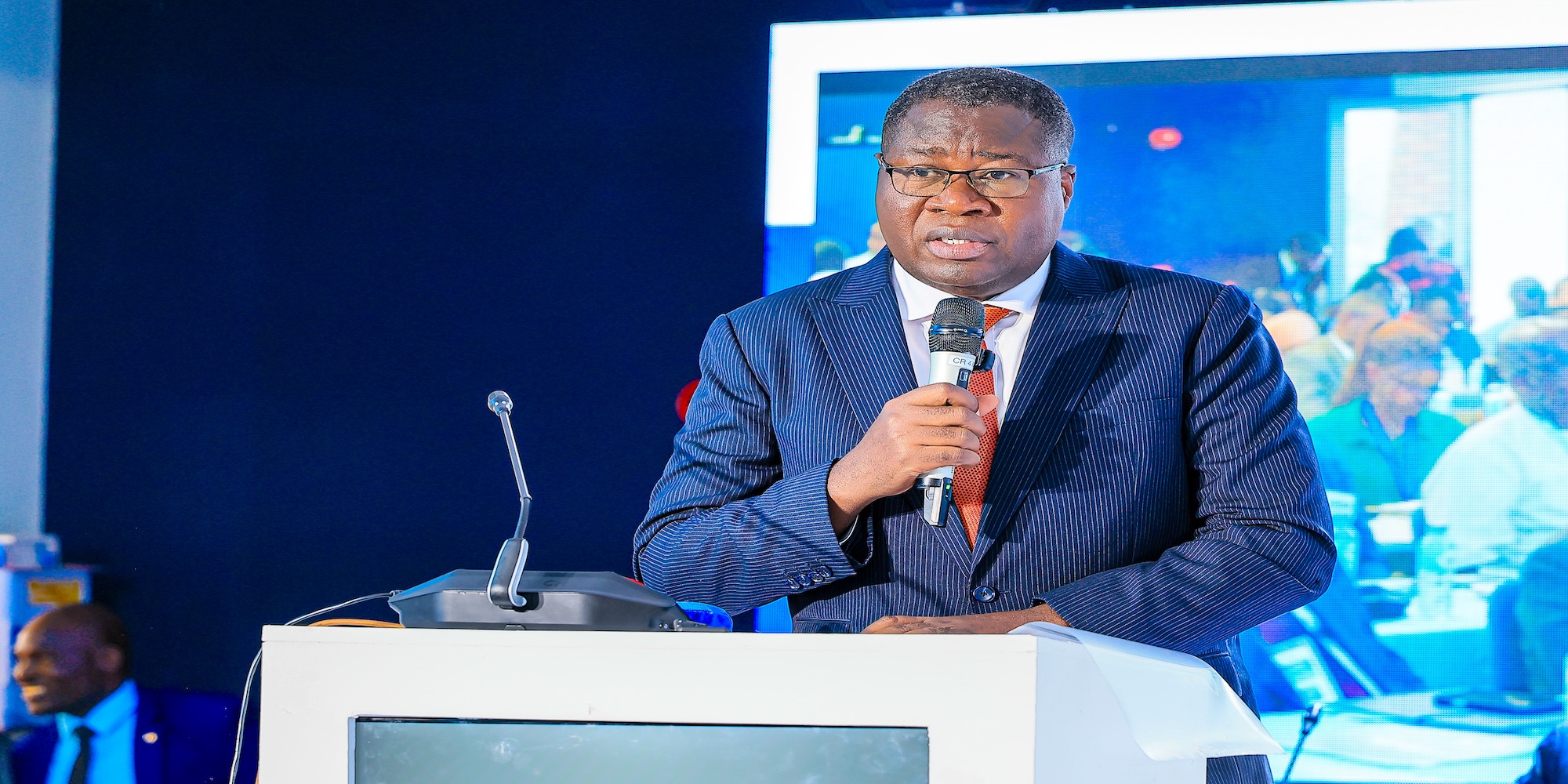
The Director of Corporate Affairs at the Uganda Communications Commission (UCC), Fred Otunnu emphasised that while digital technology drives agricultural productivity and service delivery, the information and communications technology (ICT) sector must manage its own growing environmental impact.
“A recent UCC Carbon Footprint Study revealed that ICT energy consumption in Uganda can more than double by 2030. Globally, the ICT sector contributes nearly four percent of carbon emissions due to energy intensive infrastructure, data centres, and 5G expansion,” he said.
The Chief of Mission for the International Organization for Migration (IOM – UN Migration) Sanusi Tejan Savage stressed that digital and green solutions must benefit vulnerable populations including refugees, migrants and rural communities.
He commended Uganda for pioneering the Kampala Ministerial Declaration on Migration, Environment and Climate Change (KDMECC), an initiative launched by President Yoweri Museveni that has since expanded to 35 signatory nations across Africa.
Dr. Robin Nandi, the UNICEF Country Representative to Uganda highlighted Sustainable Development Goal (SDG) 6 on clean water and sanitation as an essential foundation for inclusive climate resilience. He outlined critical service gaps across the country warning that water, sanitation and drought exposure remain major obstacles to that resilience.